Reviewing the Nurse Coolest Nurse SVG for Embroidery
As a designer who spends more time staring at stitch previews than I do sleeping, I have learned that not every digital file translates well to thread. We live in an era where Crafts and Graphics intersect constantly, but there is a distinct difference between a design that looks good on a screen and one that holds up under the needle. Recently, I evaluated the Nurse Coolest Nurse, Nurse SVG to determine its viability for real-world production. This is not just about downloading a file; it is about understanding how a design behaves when it becomes a tangible, stitched object.
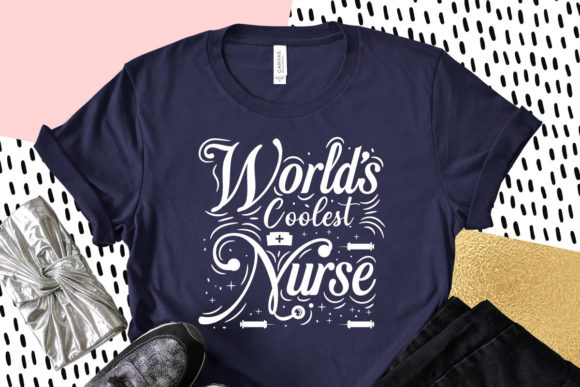
The first impression of this bundle is its versatility. The phrase "Coolest Nurse" carries a specific mood—it is playful, confident, and appreciative. It avoids the overly clinical or sterile aesthetic often associated with medical professions, opting instead for a personality-driven approach. For embroidery designers, this tonal shift is crucial. It opens doors to projects that are less about uniformity and more about personal expression. When I loaded the files into my digitizing software to inspect the paths, I was looking for clean lines and logical breaks. The visual personality suggests a design that belongs on casual wear rather than strict professional attire, making it ideal for off-clock apparel or morale-boosting gifts.
Real-World Application: The Custom Tote Scenario
To truly test the Nurse Coolest Nurse, Nurse SVG, I simulated a common client request: a custom embroidered tote bag for a nursing school graduation. Tote bags are tricky. They are often made of canvas or heavy cotton, which has a pronounced texture. If a design is too delicate, it gets lost in the weave. If it is too dense, it puckers the fabric.
In this scenario, the layout of the design worked in its favor. The bold nature of the typography meant that even if the fabric texture interfered slightly with the finer details, the message remained legible. I imagined stitching this onto a natural-colored canvas tote using a high-contrast thread, such as royal blue or deep teal. The result would be a sturdy, functional handmade product that feels substantial. For an Etsy seller, this is the kind of item that photographs well because the text is large enough to read in a thumbnail image, yet detailed enough to show quality up close.
Performance Across Different Garments
Beyond totes, I considered how this design performs on various garments. For sweatshirt embroidery, the design shines. Sweatshirts provide a stable, thick base that can handle higher stitch density without distortion. The playful theme fits perfectly with the casual comfort of a hoodie or crewneck. However, when moving to custom apparel like t-shirts, caution is required. T-shirt jersey is stretchy and thin. If you attempt to stitch this directly onto a tee without proper stabilization, you risk tunneling or warping.
For baby embroidery projects, such as onesies for the children of healthcare workers, the scale becomes the primary concern. You must ensure the design is resized appropriately so that it does not overwhelm the small garment. A massive design on a tiny chest looks awkward and feels stiff. By scaling down the Nurse Coolest Nurse, Nurse SVG, you can create a cute, subtle accent that parents will appreciate. It transforms from a bold statement piece into a sweet personalized gift.
Challenges with Curved and Textured Surfaces
Not every surface is friendly to this type of graphic. Caps and hats present a unique challenge due to their curved structure. Stitching on a cap requires careful hooping and often a different underlay strategy to prevent the design from pulling the front panel out of shape. While the design can work on a cap, it should be placed carefully, avoiding areas where the curve distorts the lettering. Similarly, textured fabrics like waffle knit or heavy linen can obscure fine details. If you are using this for an embroidered patch, however, these issues are mitigated. Patches allow you to stitch on a stable backing before applying the final product, giving you more control over the finish.
Dark fabrics also require strategic thinking. If you are stitching on black scrubs or a navy apron, you cannot rely on subtle shading. You need high-visibility thread colors. White, silver, or bright neon threads will pop, while pastels may disappear. Always test your color combinations on scrap fabric before committing to the final piece. This is especially true for holiday embroidery projects, where festive colors might clash with the design’s intended palette if not chosen carefully.
Visual Appeal and Brand Consistency
From a business perspective, the Nurse Coolest Nurse, Nurse SVG offers strong potential for brand consistency. If you run a small shop product line focused on healthcare professionals, this design fits seamlessly into a broader collection. It speaks to the identity of the buyer—someone who is proud of their profession but also has a sense of humor. This emotional connection drives buyer engagement. Customers are not just buying a shirt; they are buying recognition.
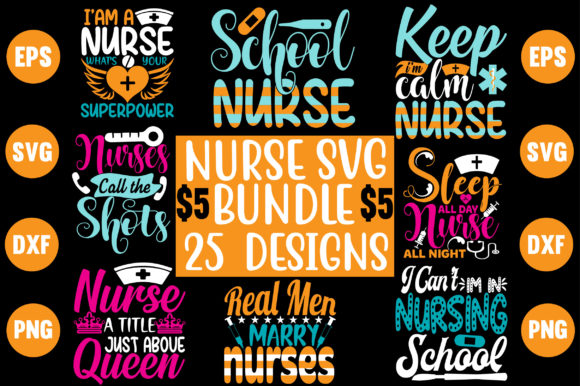
The clarity of the stitching directly impacts perceived value. Sloppy stitches or poorly digitized corners can make a product look amateurish, regardless of how good the original graphic was. Since this bundle includes vector formats like EPS and AI, along with SVG and PNG, you have the flexibility to adjust the design before digitizing it for embroidery. This is a significant advantage. Many pre-made machine embroidery design files are rigid, but having access to the vector source allows you to tweak spacing or simplify complex areas to suit your machine’s capabilities.
Practical Notes for the Embroidery Designer
Before you list this as a commercial embroidery item or use it for client work, there are several practical steps you must take. First, always check the license. The product description mentions it is suitable for merchandising, but you must confirm whether the license covers digital resale or only physical finished goods. Never assume. Second, inspect the file formats. You will receive a ZIP folder with EPS, PNG, AI, and SVG files. Note that these are graphic files, not necessarily native embroidery machine files like DST or PES. You will likely need to digitize them yourself or use auto-digitizing software with caution.
- Test on Scrap Fabric: Never stitch directly on your final garment. Use a similar fabric weight and type to test tension and density.
- Check Stabilizer: Use a cut-away stabilizer for stretchy fabrics and a tear-away for stable woven fabrics. This prevents distortion after washing.
- Review Stitch Density: If you digitize the SVG yourself, ensure you are not creating too many overlapping stitches, which can cause thread breaks and bulk.
- Contrast is Key: Ensure your thread color contrasts sufficiently with the fabric, especially for smaller text elements.
- Mockup Testing: Create printable mockup images in both black and white to see how the design reads without color distraction.
Finally, consider the end user. Will this item be washed frequently? Scrubs and nurse uniforms go through rigorous laundering. Ensure your stitching is secure and that you use high-quality polyester thread that resists fading and breaking. A finished product that falls apart after three washes will damage your reputation faster than any bad review.
In conclusion, the Nurse Coolest Nurse, Nurse SVG is a strong candidate for various embroidery projects, provided you approach it with technical diligence. It offers a blend of professionalism and personality that resonates with its target audience. Whether you are creating a tote bag design for a gift or a batch of shirts for a craft business, the key lies in execution. Respect the fabric, choose your threads wisely, and always prioritize stitch quality over speed. When done correctly, this design becomes more than just thread on cloth; it becomes a badge of pride for the wearer.