Review: Nurse Svg, LVN Svg in Progress Loading
As a designer who spends half my life digitizing and the other half stitching, I have learned that not every cute phrase translates well into thread. We often browse Crafts marketplaces looking for that perfect digital embroidery file, hoping it will elevate our next handmade product. Recently, I pulled up the Nurse Svg, LVN Svg in Progress Loading to evaluate its potential for real-world application. This isn’t just about whether the graphic looks good on a screen; it is about how it behaves under the needle, how it reads on fabric, and whether it adds genuine value to a craft business.
First Impressions and Visual Personality
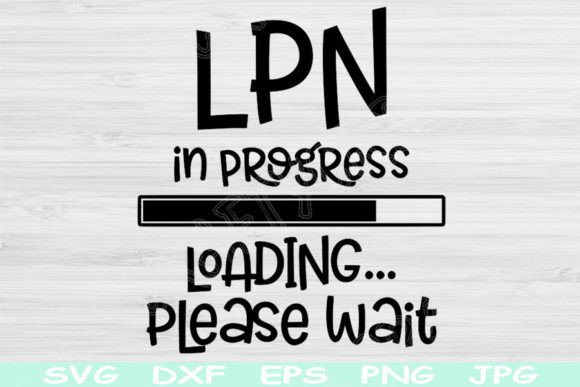
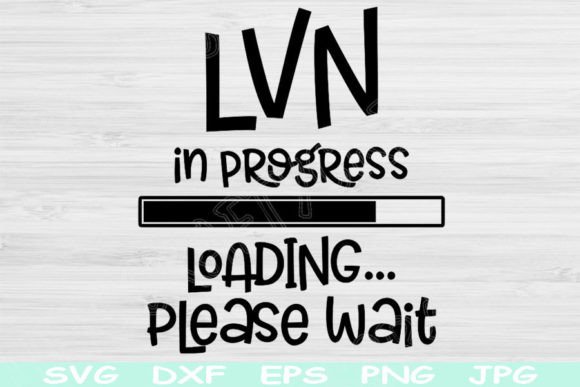
The concept behind this design is immediately relatable. The phrase "LVN in progress loading please wait" taps into the modern, tech-savvy humor that resonates with nursing students and licensed vocational nurses alike. Visually, the layout suggests a blend of professional identity and playful patience. For an embroidery project, this mood is crucial. It needs to feel approachable yet polished. When I first opened the file, I looked for clean lines and balanced spacing. In Graphics intended for stitch-out, negative space is just as important as the design itself. If the elements are too crowded, the stitch density becomes unmanageable, leading to puckering or thread breaks.
This specific design appears to rely on clear typography, likely utilizing a mix of satin stitch for smaller text or outlines and fill stitch for larger graphical elements like the loading bar or iconography. The visual personality is calm but witty, making it an excellent candidate for items meant to spark conversation or provide a moment of levity in a high-stress medical environment.
Real-World Application: The Custom Sweatshirt Test
To truly test the viability of the Nurse Svg, LVN Svg in Progress Loading, I imagined a common scenario for an Etsy seller: creating a custom gift for a nursing student graduating soon. A heather grey crewneck sweatshirt is the ideal canvas. Why? Because the fabric texture provides enough stability for medium-density designs, and the color offers neutral contrast for most thread palettes.
In this context, the design serves as a personalized gift that marks a milestone. Placing this graphic on the left chest or centered on the back requires careful consideration of scale. If the "loading" element includes fine details, such as a progressing bar or small icons, these must be large enough to stitch clearly. On a sweatshirt, a running stitch might get lost in the fleece, so ensuring adequate coverage with fill stitches is key. The result should be a finished product that feels substantial and high-quality, not flimsy or over-stitched.
Versatility Across Product Lines
Beyond apparel, this design has strong potential for various small shop products. Consider a canvas tote bag design. Nurses carry countless supplies, books, and personal items. A sturdy tote featuring this SVG acts as both a functional accessory and a badge of pride. Here, the durability of the stitch matters. Using a heavy-weight stabilizer ensures the design holds up against the weight of textbooks and stethoscopes.
Another viable option is an embroidered patch. Patches are trending in boutique branding and allow for pre-production quality control. By stitching the Nurse Svg, LVN Svg in Progress Loading onto twill or felt before applying it to a garment, you eliminate the risk of hooping errors on finished caps or jackets. This approach is particularly useful for commercial embroidery where consistency across multiple units is required.
Technical Considerations and Stitching Challenges
While the concept is strong, practical execution requires vigilance. Not every fabric behaves the same way. If you plan to use this on a baby embroidery item, such as a onesie, you must adjust your parameters. Baby fabrics are often thin and stretchy. Without proper cut-away stabilizer, the tension from the embroidery can distort the garment, making it uncomfortable to wear. Furthermore, tiny lettering in the "please wait" portion of the design might need simplification. Complex serifs or thin lines can become illegible when reduced in size.
Dark fabrics present another challenge. If stitching on navy scrubs or black hoodies, thread color contrast becomes paramount. A light-colored thread might look vibrant initially but can appear dull if the underlying fabric shows through gaps in the stitching. Always test your thread colors on scrap fabric first. Additionally, check if the design relies on underlay stitches to anchor the top threads. Good digitizing will include sufficient underlay to prevent shifting, especially on textured materials like terry cloth towels or pique polo shirts.
Hoop Size and Placement Constraints
Before purchasing or downloading any design assets, confirm the available hoop sizes. This design might be optimized for a 4x4 or 5x7 hoop, but attempting to squeeze it into a smaller frame could compromise readability. Conversely, scaling it up too much for a large hoop might expose low-resolution edges or awkward spacing between letters. For curved surfaces like caps, ensure the design height fits within the cap frame’s limitations. Distortion on curved seams is a common pitfall for beginners, so practicing on similar curved mockups is advisable.
Enhancing Brand Value and Customer Trust
For creative entrepreneurs, the choice of design reflects brand consistency. Using a well-balanced SVG like this one signals professionalism. It shows that you care about legibility, aesthetic appeal, and relevance to your niche. When customers see a crisp, well-stitched "LVN in progress" message, they perceive higher value. This perception drives buyer engagement and encourages repeat business. It transforms a simple piece of clothing into a meaningful holiday embroidery gift or a celebratory item for graduation season.
Moreover, using such specific, niche-focused designs helps in search optimization for online shops. Buyers often search for exact phrases or roles. By offering high-quality custom apparel featuring this SVG, you tap into a dedicated community of nursing professionals who appreciate recognition of their hard work and study.
Practical Designer Notes for Best Results
To ensure success with the Nurse Svg, LVN Svg in Progress Loading, follow these practical steps:
- Test on Scrap Fabric: Always stitch a sample on the same material type you intend to sell. This reveals issues with tension, density, or thread breaks before you ruin a final garment.
- Check Licensing: Verify the license terms associated with the digital file. Ensure it allows for commercial use if you plan to sell finished items. Some licenses restrict the number of physical copies you can produce.
- Inspect Small Details: Zoom in on the "loading" graphics. Are there tiny dots or thin lines that might not stitch out cleanly? You may need to simplify these elements in your editing software.
- Contrast Testing: View the design in black and white mockups. If it loses definition without color, it may rely too heavily on color contrast rather than shape, which can be problematic for monochrome stitching requests.
- Stabilizer Selection: Match your stabilizer to your fabric. Use cut-away for knits and stretchy fabrics, and tear-away for stable wovens like cotton tote bags.
In conclusion, the Nurse Svg, LVN Svg in Progress Loading is a promising asset for designers targeting the medical niche. Its strength lies in its relatability and clear thematic focus. However, its success depends entirely on technical execution. By respecting the limitations of fabric, hoop size, and stitch density, you can transform this digital graphic into a standout handmade product that resonates with customers and enhances your portfolio. Whether for a printable mockup preview or a physical embroidered patch, thoughtful application ensures this design delivers both aesthetic charm and professional quality.