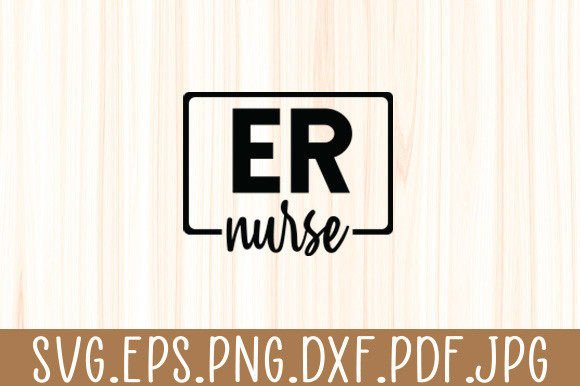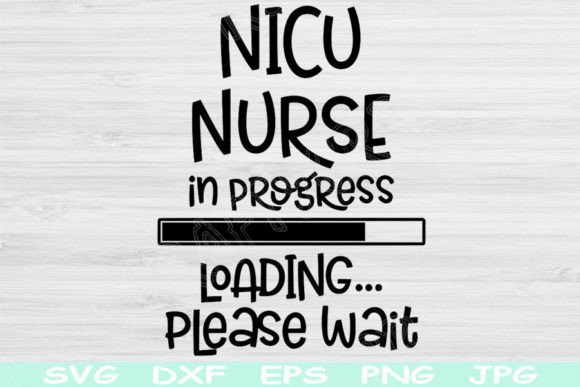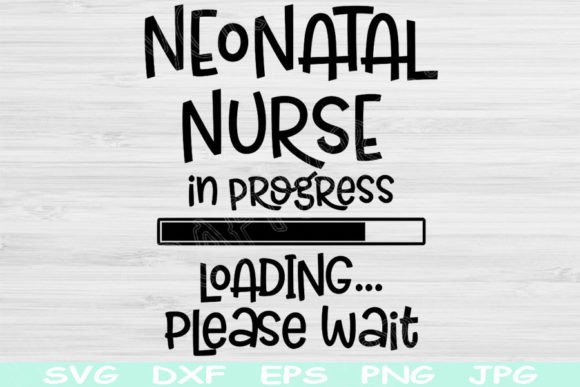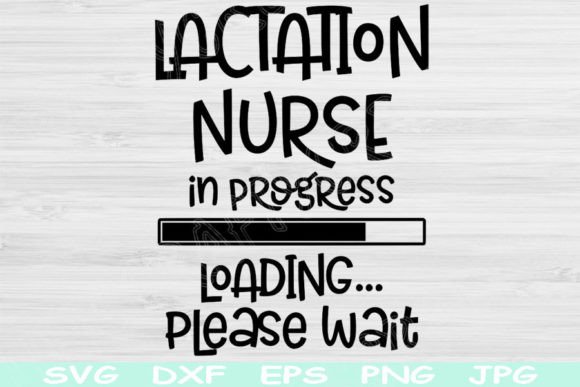
Nurse SVG, DXF, PNG: Crafts & Graphics
As a digital publisher and blog designer who has spent years optimizing content for reader engagement, I approach every new graphic design asset with a critical eye. It is not enough for an image to simply look good; it must perform. When I first loaded the Nurse SVG, DXF, PNG, EPS, PDF bundle into my design workflow, my immediate focus was on its versatility across different media formats. In the world of content marketing, visual consistency is key to building trust. This particular asset strikes a balance between professional clarity and approachable warmth, making it an excellent candidate for health-focused blogs, nursing education sites, and lifestyle publications targeting healthcare workers.
First Impressions and Editorial Mood
The initial visual impact of this design is clean and modern. It avoids the clutter often found in lower-quality clip art, offering instead a streamlined aesthetic that supports rather than overwhelms text. For editorial purposes, this is crucial. When you are designing a website header or a featured blog image, the graphic needs to establish a mood instantly. This asset feels both professional and compassionate, which aligns perfectly with niches centered on caregiving, medical education, and nurse appreciation.
I found that the design creates a sense of reliability. In web design, reader perception is heavily influenced by the quality of visuals. A polished, vector-based image signals to the user that the content behind it is equally well-researched and credible. Whether you are running an affiliate blog reviewing medical gear or a personal brand sharing nursing study tips, this asset helps elevate the perceived value of your page.
Integrating the Asset into Publishing Workflows
One of the strongest advantages of having multiple file formats like SVG, DXF, PNG, EPS, and PDF is the flexibility it offers a content creator. Here is how I envision using this bundle in a real-world publishing scenario:
- Pinterest Pins: The high-resolution PNG files are ideal for creating vertical pins. Because the design is clear, it remains legible even when scaled down in the Pinterest feed, which is vital for click-through rates.
- Blog Featured Images: Using the SVG format allows for crisp rendering on retina displays. I tested it alongside various headline fonts, and it held up well, providing a strong anchor for the visual hierarchy.
- Digital Products and Lead Magnets: If you are creating a digital guide or a printable checklist for nursing students, the PDF and EPS files ensure that the graphics remain sharp when printed. This is essential for maintaining a premium feel in downloadable resources.
- Newsletter Graphics: Email clients can be tricky with images. The simple, bold lines of this design render reliably across most platforms, making it a safe choice for newsletter headers or section dividers.
This design can be used for various purposes which is great specially for nurses. The design is perfect on t shirts, mugs, signs, cards and much more. You can also use this design with your Cricut, Silhouette, and other cutting machines for physical products, but as a digital publisher, I am more interested in its screen presence. However, the fact that it is cut-ready speaks to its structural integrity. If a design works for a vinyl cutter, it usually has clean paths that translate well to web icons and bullet points.
Enhancing Brand Identity and Visual Hierarchy
In small business branding, consistency is everything. Using a cohesive set of design assets helps readers recognize your content instantly. I tested this nurse graphic against several font pairings. It worked surprisingly well with serif fonts for a traditional, academic look, and equally well with modern sans-serif fonts for a contemporary, tech-forward vibe. It did struggle slightly with overly ornate script fonts, where the details competed for attention, so I recommend keeping typography clean when using this asset.
The concept of visual hierarchy is central to effective editorial design. By placing this graphic strategically, you can guide the reader’s eye. For instance, using it as a subtle watermark in the corner of a Canva template for social media posts reinforces brand identity without distracting from the main message. It serves as a visual cue that ties disparate pieces of content together, from Instagram stories to Facebook ads.
Strategic Placement and Cautionary Notes
While this asset is versatile, it is not a one-size-fits-all solution. It works best in contexts where the theme is explicitly related to healthcare, wellness, or appreciation. Using it in unrelated niches might confuse the audience. Furthermore, context matters. Here is where I recommend using it with caution:
- Small Mobile Thumbnails: While the SVG scales well, intricate details in the DXF or EPS versions might get lost if the image is reduced to a tiny icon size. Always test your graphics on mobile devices to ensure clarity.
- Text-Heavy Layouts: If your blog post is dense with information, avoid placing this graphic directly behind text. It needs breathing room. Use it as a sidebar element or a header accent rather than a background pattern.
- Low-Contrast Backgrounds: Ensure there is sufficient contrast between the graphic and your website’s background color. A light gray graphic on a white background will disappear, hurting accessibility and user experience.
For serious professional niches or corporate content that requires a strictly minimal visual system, you might want to use this design sparingly. It has a decorative quality that, while professional, adds a layer of personality that might not fit every corporate tone. However, for most affiliate marketing sites and personal brands in the health sector, it adds a welcome human touch.
Practical Publisher Notes for Implementation
Before deploying any new digital download into your live site, there are technical checks you must perform. As a publisher, I always verify the following:
First, check the file size. Large PNGs can slow down page load times, which negatively impacts SEO. I recommend compressing images properly using tools like TinyPNG before uploading them to your media library. Second, confirm the licensing. This asset comes with a commercial license, which is essential if you are using it on monetized websites, in paid eBooks, or on merchandise you intend to sell. Never assume a free or cheap graphic is free for commercial use; always read the terms.
Third, test it in black and white. Sometimes, designs rely too heavily on color to convey meaning. By stripping the color, you can see if the shape language is strong enough to stand alone. This is particularly useful for faxed documents, printed worksheets, or accessibility modes on websites.
Finally, consider the ecosystem of the creative marketplace. Assets like this are abundant, so differentiation comes from how you use them. Do not just drop the image onto a page. Integrate it into a broader brand identity. Use consistent colors, fonts, and spacing around the graphic to create a cohesive look. When you treat a printable design or SVG as part of a larger strategic vision, it stops being just clip art and starts being a powerful tool for communication.
In conclusion, the Nurse SVG, DXF, PNG, EPS, PDF bundle is a robust addition to any content creator’s toolkit. It offers the flexibility needed for modern multi-platform publishing, from social media graphics to printed lead magnets. By understanding its strengths and limitations, you can leverage this asset to create more engaging, professional, and trustworthy content for your audience.